standards
D-TRO regulations laid, giving English traffic authorities until 11 February 2027
Causeway Technologies reports that the Department for Transport has laid the statutory instrument making Digital Traffic Regulation Orders mandatory in England, starting the 12 weeks' notice it promised the sector.
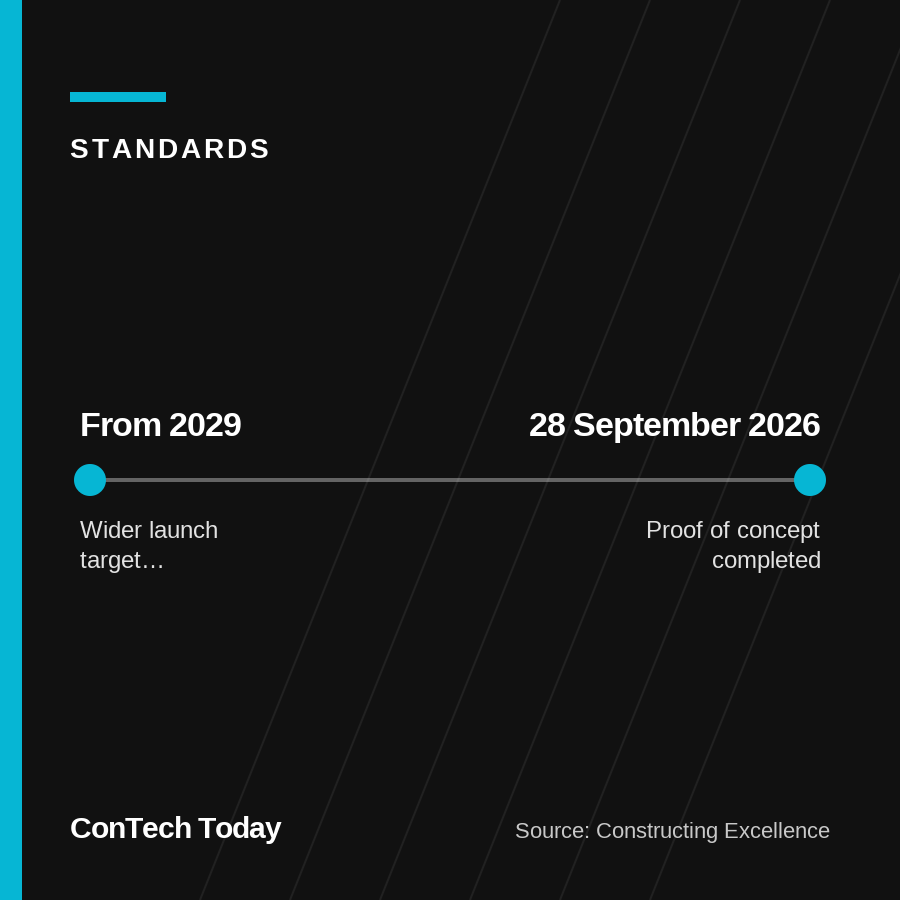
The Department for Transport (DfT) has laid the statutory instrument that makes Digital Traffic Regulation Orders (D-TRO) mandatory for traffic authorities in England from 11 February 2027, according to software supplier Causeway Technologies.
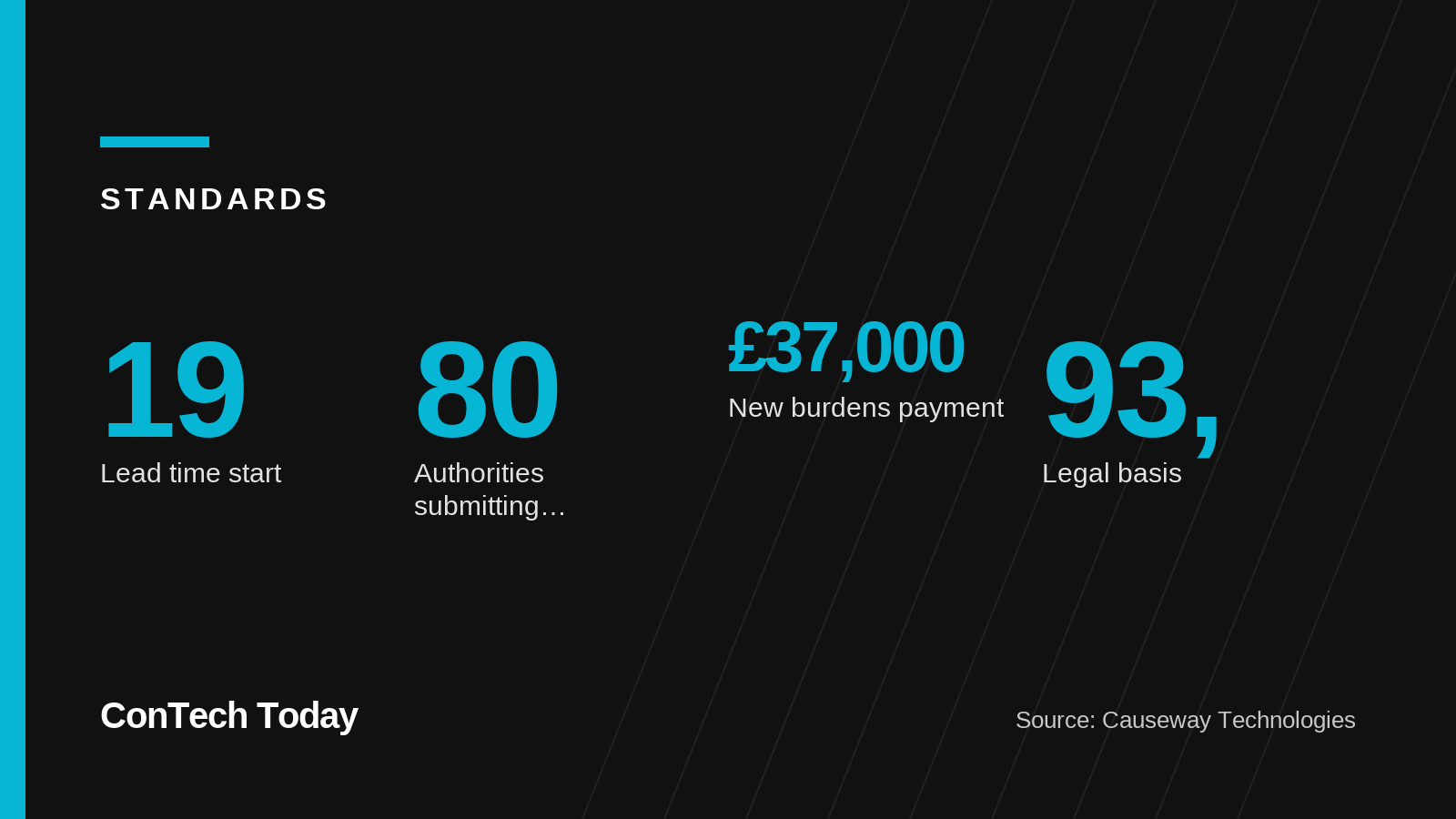
Causeway said DfT confirmed the date at the Transport Technology Forum on 17 November 2026 and that the 12-week lead time started on 19 November 2026. The department had committed to giving authorities at least 12 weeks' notice before the requirements take effect.
In a DfT video embedded in Causeway's post, Paul Chandler, Head of Traffic Management Digital Services at the Department for Transport, announced that the legislation had been laid. Causeway quoted the department as saying of the long-awaited measure: "it finally is actually happening."
As of 23 November 2026, DfT's own GOV.UK guidance page and its public GitHub project page do not yet state the 11 February 2027 date. The date and the laying of the instrument rest on Causeway's report. Causeway's September 2026 post had reported DfT as expecting the requirements to come into force in the new year, after February 2027.
What the requirement covers
From 11 February 2027 every new traffic regulation order in England must be submitted to the D-TRO service, Causeway said. That takes in permanent orders such as speed limits and parking restrictions and temporary orders such as road closures.
Historic orders are not yet part of the requirement. Causeway said DfT's next goals are to bring in the backlog of existing orders, then data beyond traffic orders such as yellow box junctions and bridge heights.
Causeway said DfT has not yet set out what happens to authorities that miss the date. It added that the main factors in set-up time are a council's procurement route, how many types of order it makes, how many teams are involved and how much training they need.
The legislative route
The regulations are made under section 93 of the Automated Vehicles Act 2024, which lets the Secretary of State require a traffic regulation authority to provide prescribed information about traffic regulation measures in England, according to the Transport Technology Forum and legislation.gov.uk. Regulations under the section may also apply to measures made before they come into force.
DfT consulted on draft regulations from 24 January 2025, the forum said. Section 93 was brought into force on 15 May 2026 by the Automated Vehicles Act 2024 (Commencement No. 2) Regulations 2026, made on 20 April 2026. DfT's GitHub page says the timing of tabling the regulations was subject to approval by DfT ministers and that guidance will be published to accompany them.
The service so far
DfT describes the D-TRO service as a centralised repository holding machine-readable digital extracts of legal traffic orders in a standardised format. A D-TRO record is not itself a legal document, the department says, and anyone can use the data free of charge. Traffic regulation authorities and their digital solution providers can register as data publishers.
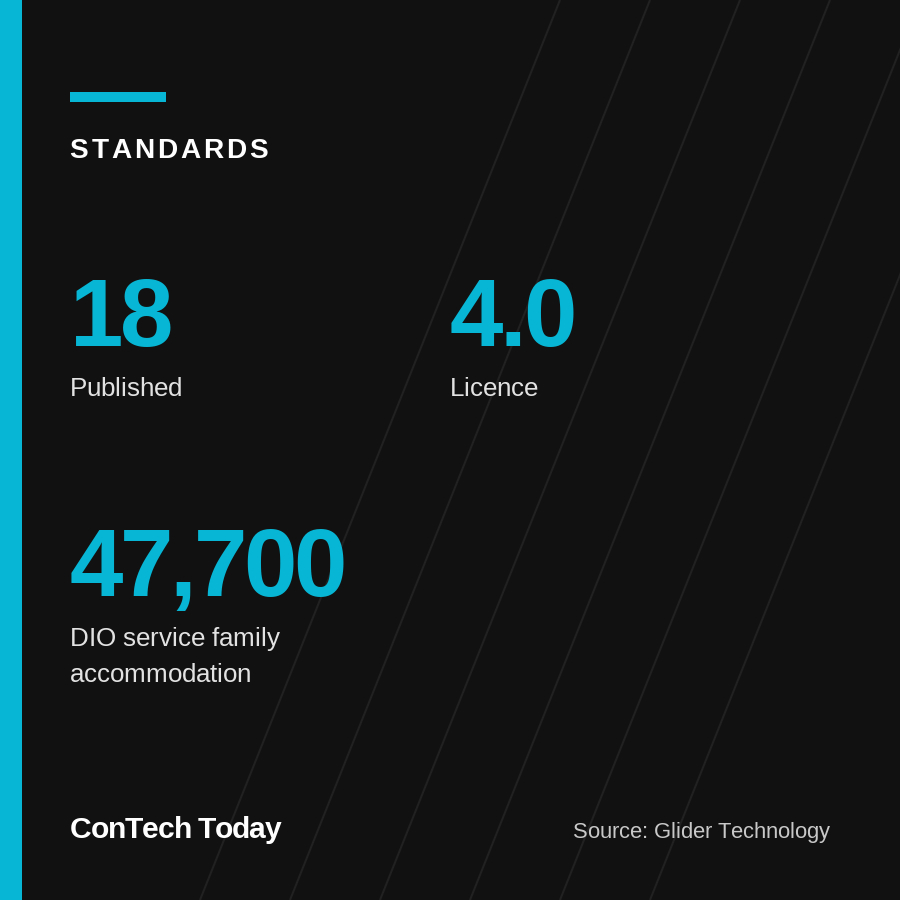
The private beta involved more than 30 organisations, including traffic mapping and navigation companies, according to the Transport Technology Forum, which described the digitalisation as critical to future services including connected and automated vehicles. The public beta launched on 24 September 2025 and version 4.0.0 has been live in production since 29 May 2026, DfT's project page says.
Causeway said DfT reports that more than 80 authorities already submit orders voluntarily, and that the service had nearly 600 registered applications as of September 2026.
Funding
In September 2026 DfT confirmed a one-off flat payment of £37,000 for every local authority, about £5.9m in total, Causeway said. The money is not ring-fenced. The confirmation came in a DfT webinar on 24 September 2026 marking one year of the public beta.
Most authorities outside London received the payment in mid-October 2026, while London boroughs and authorities in a mayoral area receive it through their regional body, according to Causeway.
Causeway quoted DfT as telling authorities that once D-TRO is law, "you'll have that support from the DfT and from government to get your orders live, digitalised, and into the service."
The requirement takes effect on 11 February 2027.
On the record: Department for Transport
Sources
- Causeway Technologies (opens in a new tab) (accessed 2026-11-23)
- Causeway Technologies (opens in a new tab) (accessed 2026-11-23)
- Department for Transport (GOV.UK) (opens in a new tab) (accessed 2026-11-23)
- Transport Technology Forum (funded by DfT, delivered by LCRIG) (opens in a new tab) (accessed 2026-11-23)
- Transport Technology Forum (funded by DfT, delivered by LCRIG) (opens in a new tab) (accessed 2026-11-23)
- legislation.gov.uk (The National Archives) (opens in a new tab) (accessed 2026-11-23)
- legislation.gov.uk (The National Archives) (opens in a new tab) (accessed 2026-11-23)
- Department for Transport (public GitHub) (opens in a new tab) (accessed 2026-11-23)
This story was researched from the primary sources above and checked against them before publication. Spotted an error? Tell us and we will correct it promptly.