standards
Glider publishes Asset Intelligence framework under open licence at Digital Construction North
The software firm has released seven documents under a Creative Commons licence on a new website, with the Defence Infrastructure Organisation's accommodation team already using the framework to shape an information recovery programme.
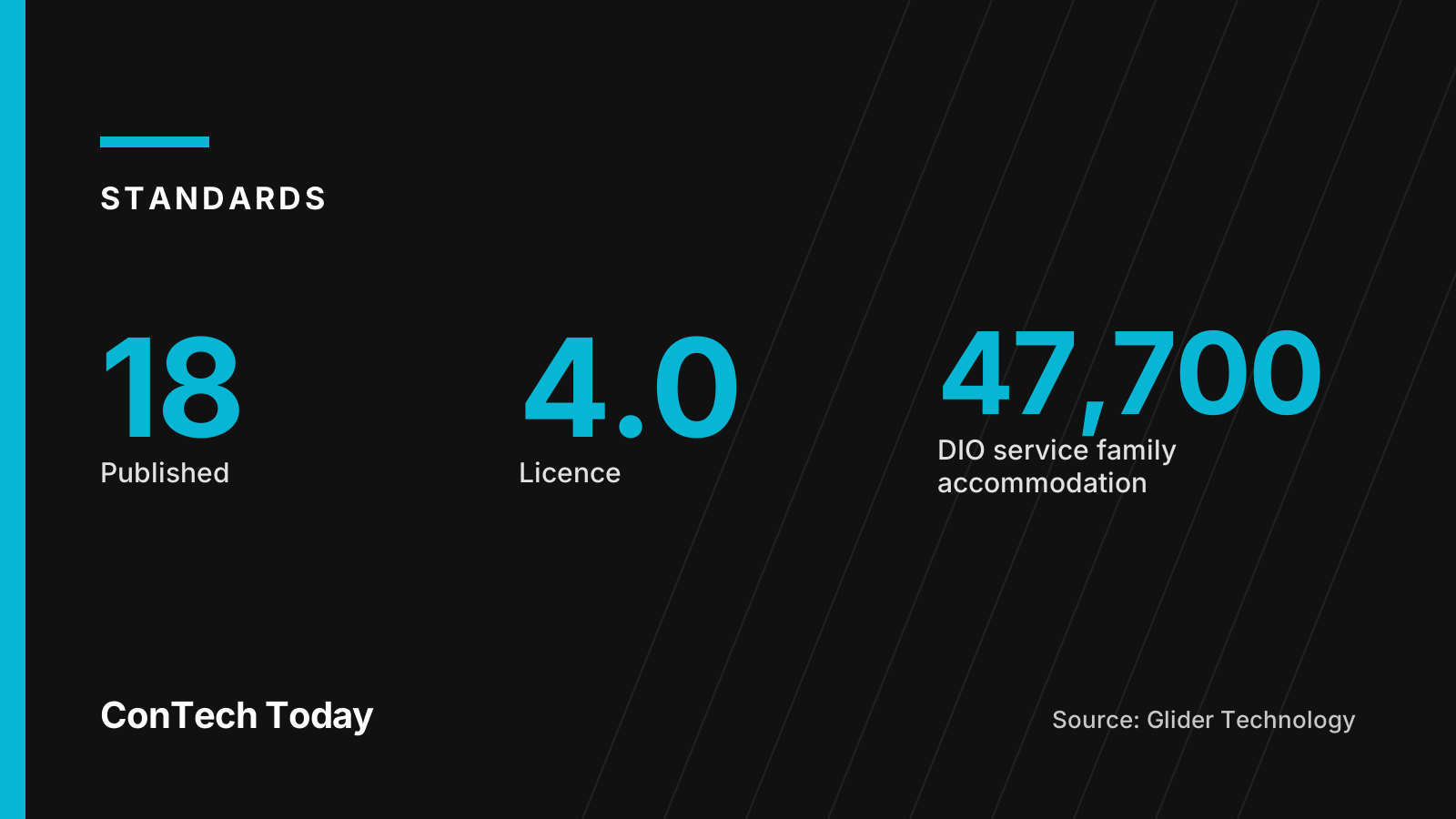
Glider Technology has published its Asset Intelligence framework as seven documents under a Creative Commons licence, launching the material on 18 November 2026 at Digital Construction North in Manchester.
The documents sit on a new website, assetintelligencediscipline.org, and are released under the Creative Commons Attribution 4.0 International licence (CC BY 4.0). Glider said any organisation can read, use and adapt them free of charge provided it credits the source, with the citation text naming Glider Technology Limited as creator.
Glider said the framework is already shaping work with the DIO Accommodation team at the Defence Infrastructure Organisation (DIO), whose Asset Management Lead gave feedback during its development.
Bryn Turner, Asset Management Lead at DIO Accommodation, said: "For DIO Accommodation, the Asset Intelligence discipline represented a framework around which we could build our asset data and information recovery programme."
What has been published
Edition 1 comprises a Thesis, a Definition and an Architecture, which set out the discipline, plus a Maturity Model, an Adoption Model and a Value Realisation Model. A seventh document summarises the other six. Each can be read online or downloaded as a PDF, and each page carries the edition, publication date and citation text, Glider said.
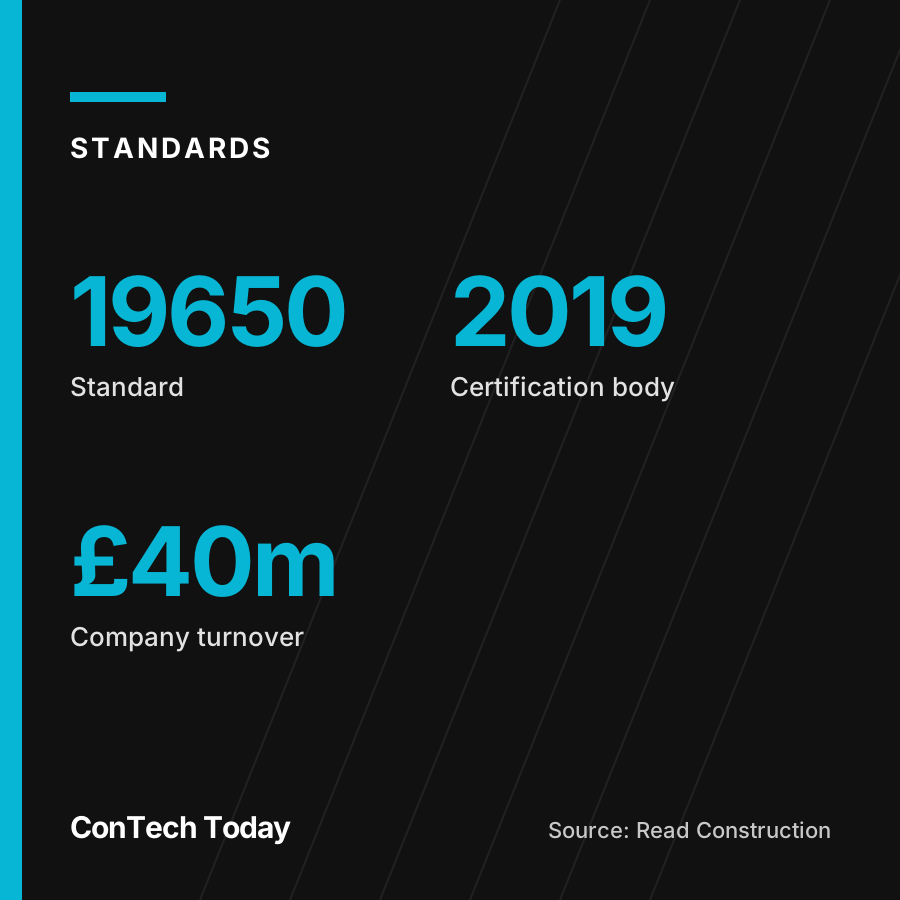
Glider defines Asset Intelligence as the discipline that ensures the people responsible for buildings can find, trust and act on the information they need to keep them safe, compliant and performing. It positions the discipline as a third pillar alongside ISO 55001, which covers asset management, and ISO 19650, which covers information management, saying it complements both standards and replaces neither.
The Architecture describes five functions: Requirements, Capture, Information Governance, Delivery and Use. Between them they hold 15 capabilities. The Maturity Model rates each function on five levels, from Absent to Intelligent, producing a profile rather than a single score. Glider's own reading of the market is that most organisations sit at Level 1 or 2 across most functions.
The problem it addresses
The framework starts from what Glider calls the Performance Gap, which it says takes four forms: information has fragmented through operational life, was never created in structured form, is buried in volume, or was lost at handover.
Glider said facilities management contracts are re-procured every three to seven years, and each transition is a point where information either carries across or degrades. It linked the framework to regulatory duties, saying the Building Safety Act's Golden Thread, the Fire Safety Act 2021 and Awaab's Law all depend on accurate, current information about buildings and their systems.
Two pathways are set out. For new build and major refurbishment, a Create pathway captures structured information during the project so it serves the building in operation as well as at handover. For existing buildings, a Recover pathway rebuilds missing or unreliable information. Glider treats Recover as the dominant condition, because most operational buildings will never see another capital project.
Governance
The framework is vendor-authored. Glider said it created the framework and continues to author and steward it, publishing the reference edition. External reviewers challenge it on substance and it is reviewed every year, with a new edition published when the review finds changes worth making.
Glider said the framework is independent of any software platform, including its own. The company, founded in 2016 by Nick Hutchinson and Steve Rukuts, sells a software platform formerly called EDocuments, now renamed Glider Nexus. It also offers a five-minute self-diagnostic, the Asset Intelligence Maturity Indicator, which it describes as a short self-report indicator rather than an evidence-based assessment.
Hutchinson, Glider's Founder and Managing Partner, created the discipline. Glider said the biggest challenge of his career was repatriating more than 12 million documents from outgoing FM contractors to a government estate owner, a task that took almost three years.
The DIO estate
DIO describes itself as the estate expert for defence, and its stated responsibilities include providing a central register of asset information to advise infrastructure planning. According to Ministry of Defence official statistics, DIO owned and managed 47,700 UK service family accommodation properties at 31 March 2026. Data on housing is provided by regional contractors to DIO, which enters it into an electronic asset register.
Turner said the discipline was "the first framework I have engaged with where the people ultimately responsible for buildings, the asset owners, are put at the centre of its purpose."
What happens next
Contributions from the wider industry opened on the day of publication. Individuals and organisations can submit via a form on the website's Contribute page; Glider reviews each contribution and decides whether to include it, with submissions considered at its annual review.
Digital Construction North 2026 took place at Manchester Central and was organised by Diversified Communications, the team behind Digital Construction Week.
On the record: Defence Infrastructure Organisation, Ministry of Defence
Sources
- Glider Technology (opens in a new tab) (accessed 2026-11-18)
- Glider Technology (Asset Intelligence discipline site) (opens in a new tab) (accessed 2026-11-18)
- Glider Technology (Asset Intelligence discipline site) (opens in a new tab) (accessed 2026-11-18)
- Glider Technology (opens in a new tab) (accessed 2026-11-18)
- Glider Technology (opens in a new tab) (accessed 2026-11-18)
- nima (opens in a new tab) (accessed 2026-11-18)
- GOV.UK (Defence Infrastructure Organisation) (opens in a new tab) (accessed 2026-11-18)
- GOV.UK (Ministry of Defence official statistics) (opens in a new tab) (accessed 2026-11-18)
This story was researched from the primary sources above and checked against them before publication. Spotted an error? Tell us and we will correct it promptly.